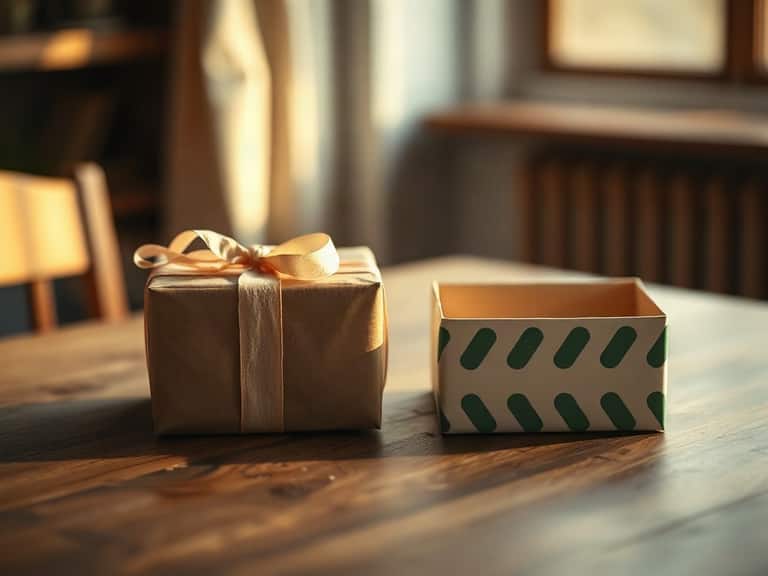
The Appreciation That Misses Its Target
You leave a loving note on the counter. Your partner glances at it, smiles politely, and moves on. You cook their favorite meal as a way of saying thank-you for a hard week. They seem touched, but something feels slightly off — like the warmth you intended didn't quite reach them.
This happens more than most couples realize. We tend to express gratitude in the ways we would most like to receive it. It feels natural, even generous. But appreciation isn't one-size-fits-all, and when your expression doesn't match your partner's preferences, it can land softer than you hoped — or sometimes not at all.
The good news: there's a simple shift that changes this entirely. And it starts with asking.
Why Appreciation Preferences Are So Personal
Research on what makes gratitude feel meaningful points to something important: it's not just the act of thanking someone, but whether the recipient feels seen in the process. A heartfelt compliment in public might feel celebratory to one person and excruciating to another. A quiet word of thanks at the end of the day might feel deeply intimate to your partner, or it might barely register compared to a small, tangible gesture.
These differences aren't quirks to work around — they're clues. Your partner's appreciation preferences are shaped by how they've felt loved and acknowledged throughout their whole life. Understanding those preferences isn't just practical; it's an act of curiosity and care in itself.
The Conversation Worth Having
Most couples have never explicitly talked about how they each like to be thanked. It feels unnecessary — appreciation is appreciation, right? But this one conversation can quietly upgrade how connected you both feel day to day.
Try asking your partner something like:
- "What's the most memorable time I made you feel genuinely appreciated?"
- "Is there a way I show gratitude that lands really well for you?"
- "Is there a way I express thanks that doesn't quite hit for you?"
These aren't therapy-room questions — they're the kind of curious, caring check-ins that keep long-term relationships from running on assumptions. And they work in both directions. Answering them yourself helps your partner appreciate you more effectively too.
Four Common Ways People Like to Receive Gratitude
While there's no definitive taxonomy, patterns do emerge. Knowing which resonates most for your partner — and being honest about your own — is where the real shift happens.
Words and direct acknowledgment. Some people come alive when they hear or read specific, genuine appreciation. A text that says "I noticed how much effort you put into that — it meant a lot to me" can stay with them for days.
Acts and gestures. For others, gratitude feels most real when it's expressed through action — taking something off their plate, handling a task they dreaded, doing something that shows you were paying attention to what they needed.
Focused time and presence. Some partners feel most appreciated when you slow down and give them your full attention — a dedicated walk, a meal without phones, an evening where they feel like your priority.
Physical warmth. A longer hug than usual, a hand on the back, sitting close — for some people, a moment of physical connection is the most natural and powerful way to receive thanks.
None of these is better or more loving than the others. But one probably lands more consistently for your partner. Find out which one.
A Small Practice to Try This Week
If you're not sure where your partner lands, pay attention before you ask. Notice which moments seem to genuinely reach them — when do they seem to soften, or light up, or feel most connected to you?
Then, this week, experiment. If you usually express appreciation with words, try a small, thoughtful act instead. If you tend toward gestures, try saying your gratitude aloud in a specific, unhurried way. Watch what happens.
And at some point — over dinner, on a walk, in a low-stakes moment — just ask. "How do you most like to feel appreciated?" It doesn't need to be a big conversation. Most people have never been asked this question directly, and being asked it at all can feel like a form of care in itself.
When Gratitude Becomes a Gift That Fits
Learning your partner's appreciation language doesn't mean performing something unnatural. It means taking the warmth you already feel and finding the channel where it travels most easily between you.
Couples who do this tend to find that the same amount of gratitude — no more effort, no grand gestures — lands with noticeably more weight. Not because they said more, but because they finally said it in a way their partner could fully receive.
That's worth a conversation.

